Tactical gear manufacturers, defense contractors, and law enforcement equipment suppliers cannot rely on commercial-grade webbing when human safety and mission-critical performance are on the line. Industrial webbing belts built to MIL-SPEC construction standards go through tighter tolerances on tensile strength, abrasion resistance, and dimensional stability than off-the-shelf strapping. As of 2026, our production lines run MIL-SPEC construction across dedicated Military Aramid Webbing and Mil-Spec Nylon Webbing lines, serving buyers across North America and Europe who need traceable, export-quality webbing at bulk volumes. This page breaks down what MIL-SPEC construction actually means for a webbing belt, how our tactical-grade materials compare, and what specifications you should request before placing a bulk order.
Why Commercial Webbing Fails in Tactical Applications
The Problem With Non-Certified Webbing in the Field
Standard commercial webbing is woven to cost and appearance targets, not survivability targets. In load-bearing tactical gear — plate carrier straps, rappelling harness webbing, gun slings — a webbing failure under dynamic load is not a cosmetic defect, it is a mission failure. We regularly see buyers switch to MIL-SPEC construction after commercial webbing shows premature abrasion or seam slippage under repeated cyclic loading in field trials.
- Standard nylon webbing tensile ratings typically top out well below tactical-duty thresholds
- Dye lots and width tolerances on commercial webbing can vary batch to batch, complicating hardware fit
- UV and abrasion resistance on non-military-grade webbing degrades faster in field conditions
- Traceability documentation is often absent, which is a hard requirement for defense procurement
Compared to generic strapping, MIL-SPEC construction webbing is woven at higher pick density and tested to defined tensile and width tolerances before it ships — this is the baseline difference tactical buyers should evaluate before sourcing.
MIL-SPEC Construction Webbing: Materials & Specifications
Core Product Lines Built to MIL-SPEC Construction
Our Military Aramid Webbing is woven from Military Grade Aramid fiber in widths from 20-75mm, with MIL-SPEC construction as the defining production standard. Our Mil-Spec Nylon Webbing uses High Tenacity Nylon in widths from 25-100mm, rated to 3,000-10,000lbs tensile strength depending on width and weave density. For lighter tactical loadouts, Tactical Jacquard Webbing delivers Military Grade tensile performance in the same 25-100mm width range, woven from High Tenacity Nylon.
| Product | Material | Width Range | Tensile / Construction |
| Mil-Spec Nylon Webbing | High Tenacity Nylon | 25-100mm | 3,000-10,000lbs |
| Military Aramid Webbing | Military Grade Aramid | 20-75mm | MIL-SPEC construction |
| Tactical Jacquard Webbing | High Tenacity Nylon | 25-100mm | Military Grade tensile |
| UHMWPE Tactical Webbing | UHMWPE Fiber | 20-75mm | Military Grade construction |
Every batch goes through our QC checkpoints for width tolerance, weave uniformity, and tensile sampling before it leaves the loom floor — this is standard practice on our tactical-grade lines, not a special-order add-on.
Nylon vs Aramid vs UHMWPE: Choosing the Right Tactical Webbing
Comparing Fiber Options for Tactical-Duty Webbing
Nylon webbing remains the default choice for general tactical gear because it balances tensile strength with elongation and cost efficiency. Aramid webbing, by contrast, holds up in heat- and abrasion-intensive roles — our Military Aramid Webbing is rated for continued use in environments where nylon would degrade faster. UHMWPE tactical webbing sits at the top end of strength-to-weight ratio: UHMWPE Tactical Webbing in 20-75mm widths is built to Military Grade construction and is noticeably lighter per meter than comparable nylon webbing at equal load rating.
- Nylon (Mil-Spec Nylon Webbing): best balance of strength, elongation, and cost for general tactical straps and slings
- Aramid (Military Aramid Webbing): preferred where heat exposure or cut resistance is a field risk
- UHMWPE (UHMWPE Tactical Webbing): lowest weight-to-strength ratio, suited to load-critical carry systems
- Jacquard nylon (Tactical Jacquard Webbing): Military Grade tensile with woven pattern options for identification or camo coding
Unlike single-material generic suppliers, we stock all four fiber families on dedicated production lines, which means a buyer can standardize hardware and stitch patterns across a product line while switching fiber type by application.
Applications: Where Tactical-Grade Webbing Is Used
Deployment Across Tactical Gear and Safety Systems
MIL-SPEC construction webbing from our lines is currently used in Tactical Gear assemblies, Safety Harness systems, and Backpack load-bearing straps supplied to buyers in the Military & Tactical Industry and Safety Protection Industry. Widths from 20mm to 100mm cover the majority of MOLLE strap, sling, and harness webbing specifications requested by gear manufacturers as of 2026.
- Plate carrier and chest rig straps: typically 25-38mm Mil-Spec Nylon Webbing
- Rappel and fast-rope harness webbing: Military Aramid Webbing for heat exposure resistance
- Ultra-light assault packs: UHMWPE Tactical Webbing for reduced carry weight
- Identification-coded gear: Tactical Jacquard Webbing for pattern-woven ID straps
Compared to sourcing separate webbing suppliers per fiber type, consolidating tactical webbing procurement under one MIL-SPEC construction production run typically reduces color- and width-matching discrepancies across a gear line's SKUs.
How to Order Mil-Spec Webbing for Bulk Tactical Production
Ordering Process for Wholesale & OEM Buyers
We prep bulk webbing kits every week for gear manufacturers and defense-adjacent suppliers. Standard bulk runs on Mil-Spec Nylon Webbing and Military Aramid Webbing typically start at 500 meters per SKU, with color and width confirmed against your spec sheet before full production. Export documentation and batch test data are prepared alongside each production run for buyers who require traceability records for procurement review.
1. Submit target width (20-100mm range), tensile requirement, and fiber type
2. Confirm color, weave pattern, and any jacquard ID requirements
3. Review sample swatch and tensile test data before bulk commitment
4. Confirm bulk quantity — production typically runs in 500-meter SKU increments
5. Receive batch documentation with your export-ready shipment
Buyers new to tactical webbing sourcing should request the tensile test data sheet alongside the physical sample — comparing documented tensile figures against a swatch alone is not sufficient for gear that will see field load.
Frequently Asked Questions
What does MIL-SPEC construction mean for a webbing belt?
MIL-SPEC construction refers to webbing woven and finished to the tighter tensile, width, and weave-density tolerances used for military-grade applications. On our Military Aramid Webbing and Mil-Spec Nylon Webbing lines, this means tensile ratings up to 10,000lbs on nylon and consistent width tolerances across the full 20-100mm range we produce.
Which webbing material is best for tactical gear — nylon, aramid, or UHMWPE?
It depends on the load and environment. Mil-Spec Nylon Webbing (3,000-10,000lbs tensile) suits general straps and slings. Military Aramid Webbing is the better choice where heat or abrasion exposure is a field risk. UHMWPE Tactical Webbing offers the lightest weight-to-strength ratio for load-critical carry systems. Many gear manufacturers use two fiber types across one product line depending on component load.
What is the minimum order quantity for mil-spec tactical webbing?
Bulk production runs on our MIL-SPEC construction lines typically start at 500 meters per SKU. Smaller sample quantities can be arranged for spec verification before committing to a full bulk order.
What width and tensile options are available for tactical jacquard webbing?
Tactical Jacquard Webbing is woven from High Tenacity Nylon in 25-100mm widths with Military Grade tensile performance, and supports custom-woven pattern coding for identification or unit-specific gear lines.
Can you provide test documentation with a mil-spec webbing shipment?
Yes. Batch-level test data is prepared alongside production runs on our MIL-SPEC construction lines so buyers have documentation for procurement or field-gear review. Request this alongside your physical sample before confirming a bulk order.
Related Resources
Related Products (4)
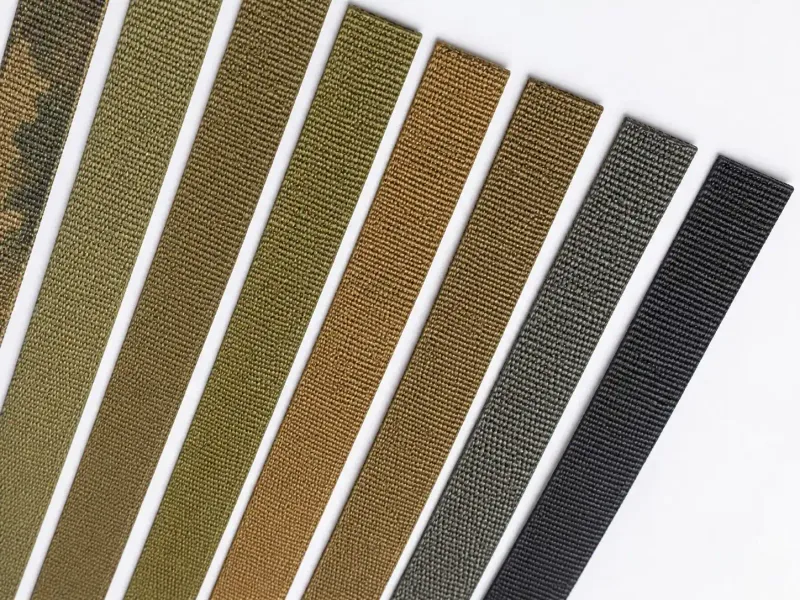
Mil-Spec Nylon Webbing
Military-grade nylon webbing engineered for tactical equipment, load-bearing systems and defense applications.
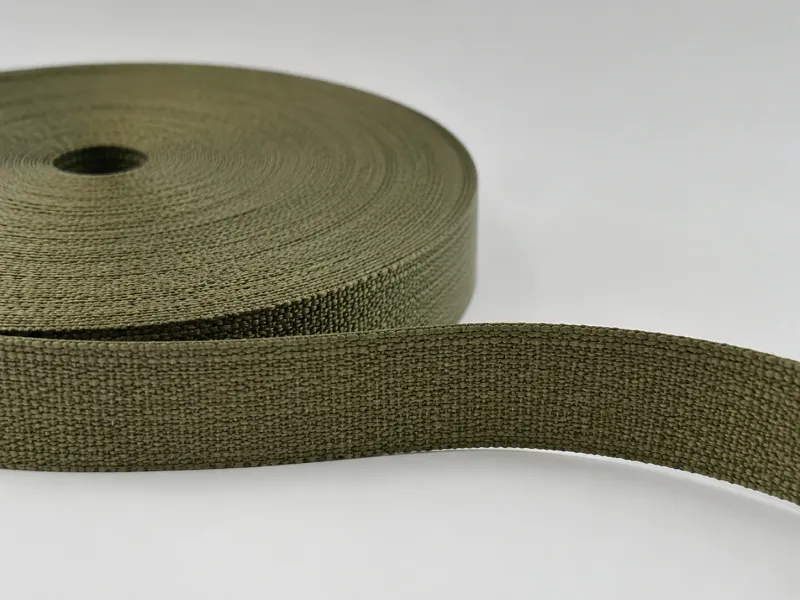
Military Aramid Webbing
Military-grade aramid webbing for tactical systems, load-bearing equipment and defense applications.
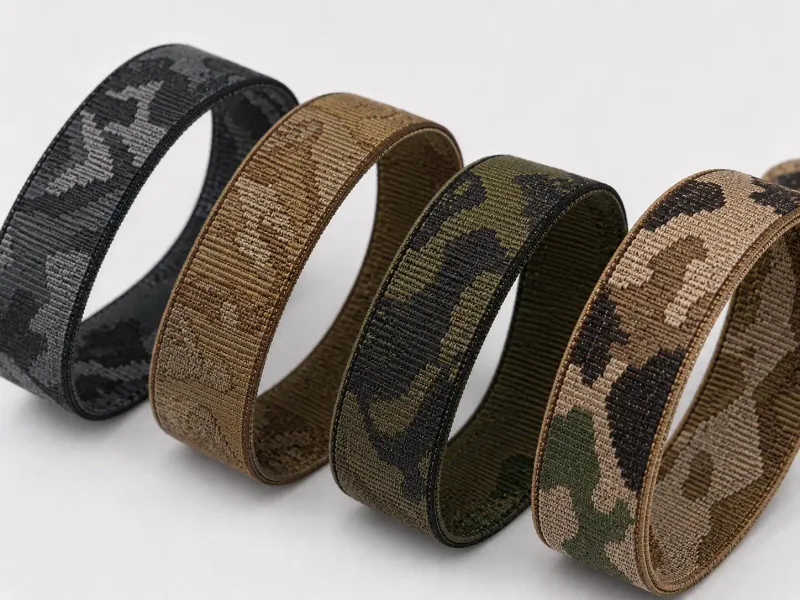
Tactical Jacquard Webbing
Military-grade jacquard webbing designed for tactical equipment, gear systems and defense applications.
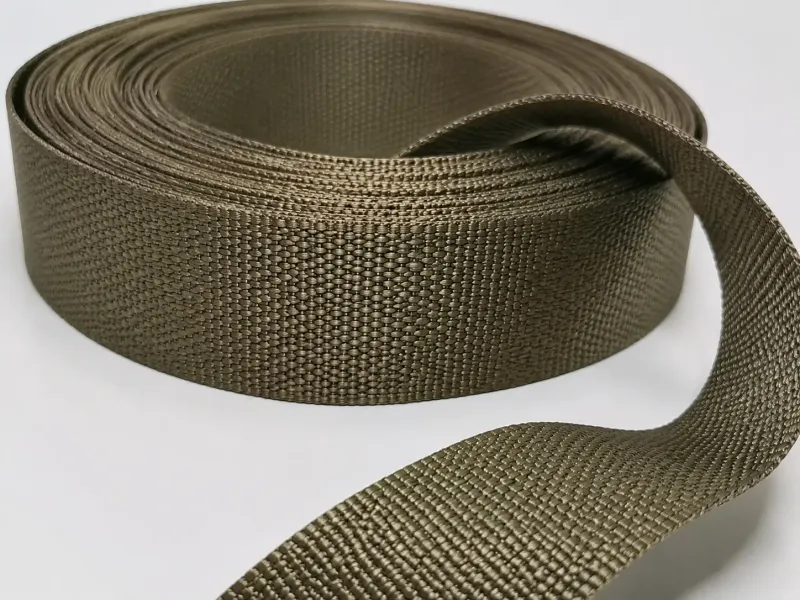
UHMWPE Tactical Webbing
Military-grade UHMWPE webbing for tactical equipment and mission-critical load-bearing systems.
Related Applications
Related Industries
MIL-SPEC construction webbing engineered for military, law enforcement, and tactical gear applications
Request Mil-Spec Webbing Specifications