Selecting the right heavy duty webbing belt for lifting slings is one of the most important decisions in riging safety. The wrong material, width, or construction can compromise load capacity and put personel and equipment at risk. This guide walks through the key factors to evaluate, including fiber type, tensile strength, construction, and environmental resistance, so you can match webing performance to the demands of your lifting application.
Why Webbing Belt Selection Matters for Lifting Slings
A lifting sling is only as reliable as the webbing belt it is made from. Load capacity, resistance to abrasion and chemicals, flexibility, and long-term durability all depend on the fiber type and construction chosen at the outset. Because slings are used to move loads that can weigh from a few hundred pounds to tens of thousands of pounds, even small differences in material quality or weave density can have a significant impact on safety margins and service life.
Key Selection Criteria: Tensile Strength and Safety Factor
Start by identifying the working load limit required for the lift, then look for webing rated well above that figure to maintain an appropriate safety factor. Products like Heavy Duty Polyester Webbing and Heavy Duty Nylon Webbing are built with tensile strength ranges suited to general industrial lifting, while Heavy Duty UHMWPE Webbing and UHMWPE Lifting Sling Webing offer substantially higher tensile ratings for heavier or more demanding loads. Rigging configuration also matters: basket and choker hitches change the effective load on the webing compared to a straight vertical lift, so the sling must be rated accordingly.
Comparing Webbing Materials for Lifting Slings
Polyester webing is a common default for lifting slings because it combines low stretch with good resistance to moisture, UV exposure, and most chemicals, making Heavy Duty Polyester Webbing a solid general-purpose choice. Nylon webbing, including Heavy Duty Nylon Webbing and Mil-Spec Nylon Webbing, provides excellent abrasion resistance and shock absorption through higher elongation, though it can lose strength when wet and is better suited to dry or indoor environments.
For applications where weight savings and maximum strength are priorities, UHMWPE Lifting Sling Webbing and Heavy Duty UHMWPE Webbing deliver a very high strength-to-weight ratio along with strong resistance to cutting, chemicals, and moisture, which also makes UHMWPE Marine Webbing a good fit near saltwater environments. Where heat or flame exposure is a concern, Heat Resistant Aramid Webbing and Flame Retardant Aramid Webing provide performance at high temperatures that standard synthetic fibers cannot match, and Cut Resistant Aramid Webbing is worth considering when the sling will contact sharp or abrasive edges.
Construction, Width, and Thickness Considerations
Beyond fiber type, the way webing is woven affects how it performs under load. Flat webing constructions distribute load evenly across a wide surface, which is generally preferred for sling bodies, while tubular constructions can add flexibility for wear pads or edge protection. Width and thickness should scale with the required load rating; narower webing concentrates stress over a smaller area, so heavier lifts typically call for wider belts within a product's specified range, such as the 25-150mm range available across the UHMWPE Lifting Sling Webbing line.
Environmental and Application Factors
The lifting environment should directly influence material choice. Outdoor or marine settings favor materials with strong UV and moisture resistance, which is why UHMWPE Marine Webbing is engineered for near-zero water absorption and excellent chemical resistance. Industrial settings with elevated temperatures or sparks call for aramid-based webbing, since Industrial Aramid Webing is rated for operating temperatures up to 500°C. Facilities operating under the Safety Protection Industry or Marine Industry umbrella often standardize on higher-performance fibers to reduce replacement frequency and downtime risk.
Inspection, Maintenance, and Retirement Criteria
Choosing the right webbing belt is only half the equation; ongoing inspection keps a lifting sling safe throughout its service life. Look for cuts, fraying, chemical staining, melting, or stitching damage before every use, and retire any sling that shows signs of significant wear. Storing webbing away from direct sunlight, chemicals, and sharp surfaces when not in use helps extend service life, regardless of whether the sling is built from Heavy Duty Polyester Webbing, Heavy Duty Nylon Webbing, or a higher-performance fiber like UHMWPE or aramid.
Frequently Asked Questions
What is the difference between polyester, nylon, and UHMWPE webbing for lifting slings?
Polyester webbing, such as Heavy Duty Polyester Webbing, resists stretch and holds up well against moisture and UV exposure, making it a common choice for general lifting. Nylon, including Heavy Duty Nylon Webbing and Mil-Spec Nylon Webbing, offers higher elongation and good abrasion resistance but absorbs more moisture and loses some strength when wet. UHMWPE Lifting Sling Webbing delivers a very high strength-to-weight ratio, low stretch, and strong resistance to cuting and chemical exposure, which suits demanding rigging environments where weight and durability both matter.
How do I determine the working load limit need for a webing sling?
The working load limit depends on the maximum weight the sling will lift, the rigging configuration (vertical, choker, or basket hitch), and the applied safety factor. Heavier lifts and dynamic loading conditions call for webing with a higher tensile rating, such as Heavy Duty UHMWPE Webbing, which is engineered for high-load applications. Always confirm the load calculation with a qualified rigging professional before selecting a sling.
Does webing width and thickness affect lifting performance?
Yes. Wider and thicker webbing generally distributes load over a larger surface area, which reduces stress concentration and can improve resistance to abrasion. However, width and thickness must be matched to the fiber type and weave, since a wider low-tenacity webbing will not necessarily outperform a narrower high-tenacity construction. Reviewing the specification range for products like Heavy Duty Aramid or UHMWPE webbing helps identify the right balance of width and strength for a given lift.
When should heat resistant or cut resistant webbing be used for lifting slings?
If the lifting environment involves high temperatures, sparks, or contact with sharp edges, standard polyester or nylon webbing may degrade faster than expected. In these cases, aramid-based options such as Heat Resistant Aramid Webbing or Cut Resistant Aramid Webbing are better suited, since aramid fiber maintains performance at elevated temperatures and resists abrasive or sharp contact points common in industrial rigging.
How often should a webing lifting sling be inspected?
Webbing slings should be visually inspected before each use for cuts, fraying, chemical damage, discoloration, or stitching failure, and undergo a more thorough documented inspection at regular intervals based on usage frequency and site safety procedures. Any sling showing signs of fiber damage, melting, or significant abrasion should be removed from service immediately.
Related Resources
Related Products (4)
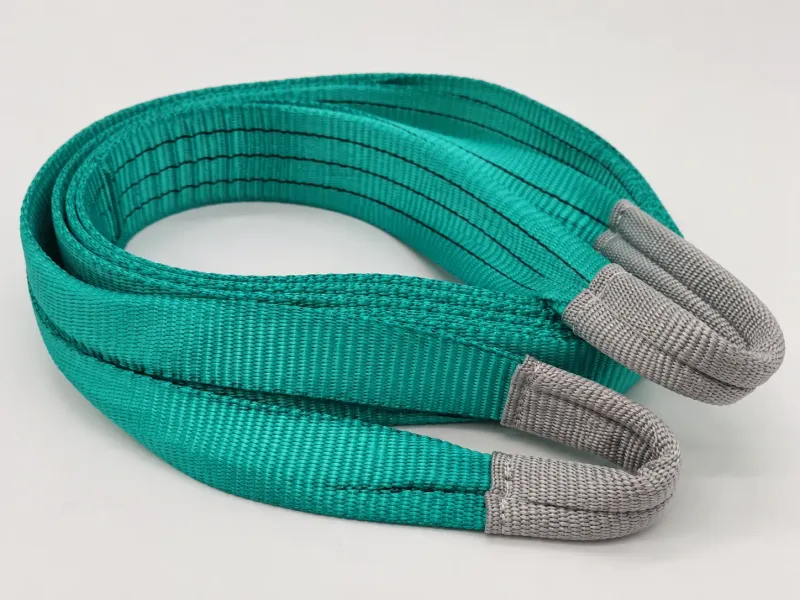
UHMWPE Lifting Sling Webbing
Ultra-high-strength UHMWPE webbing developed for lifting slings and rigging systems.
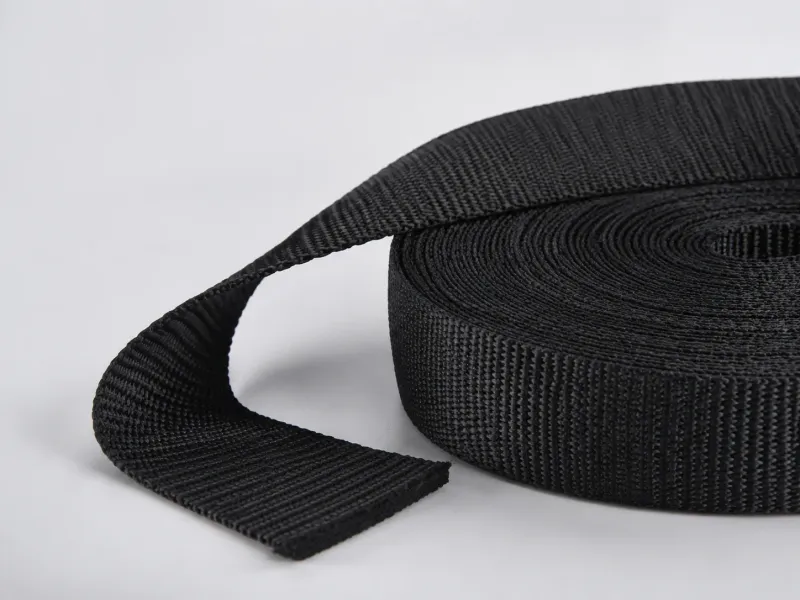
Heavy Duty Polypropylene Webbing
Cost-effective heavy-duty polypropylene webbing for industrial, outdoor and cargo applications.
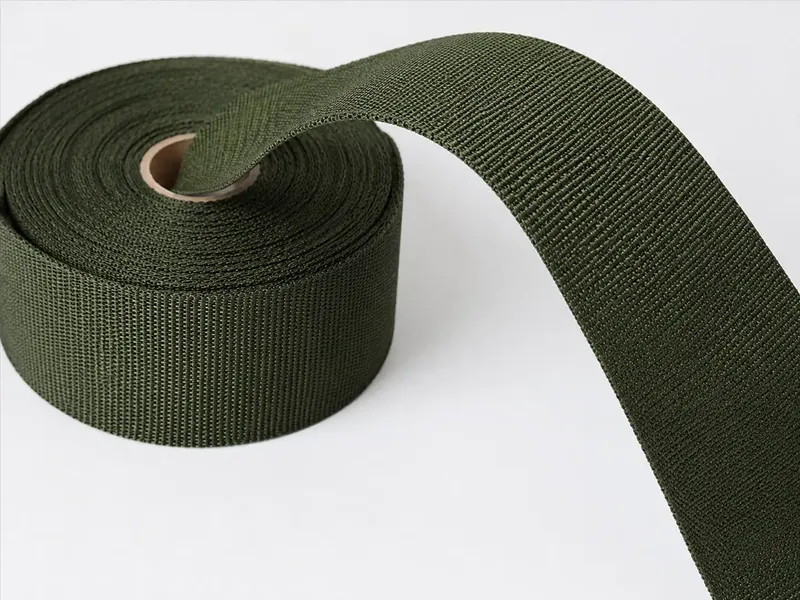
Heavy Duty Polyester Webbing
Industrial-grade polyester webbing designed for heavy-load applications and demanding outdoor environments.
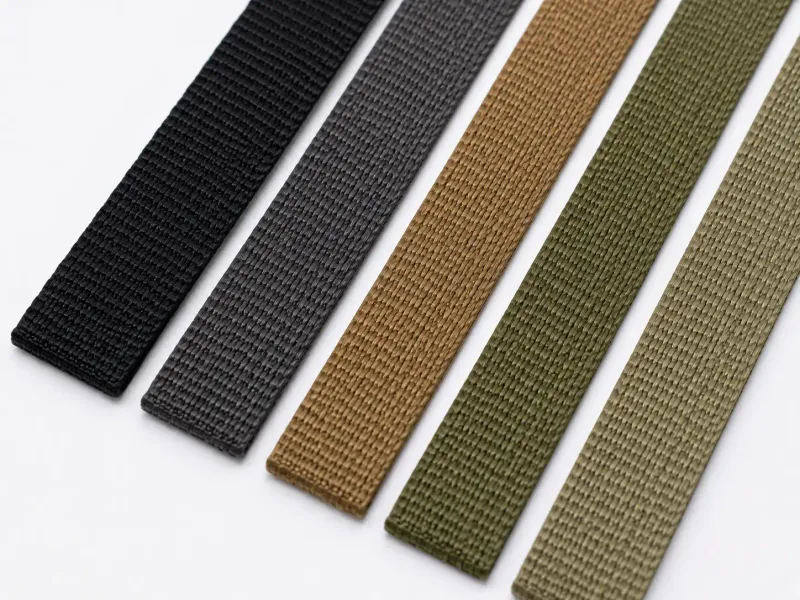
Heavy Duty Nylon Webbing
High-strength nylon webbing designed for industrial lifting, safety equipment and outdoor applications.
Related Categories
Related Applications
Related Industries
A practical guide to selecting webing material, strength, and construction for safe, reliable lifting slings
Explore Heavy Duty Lifting Sling Webbing